

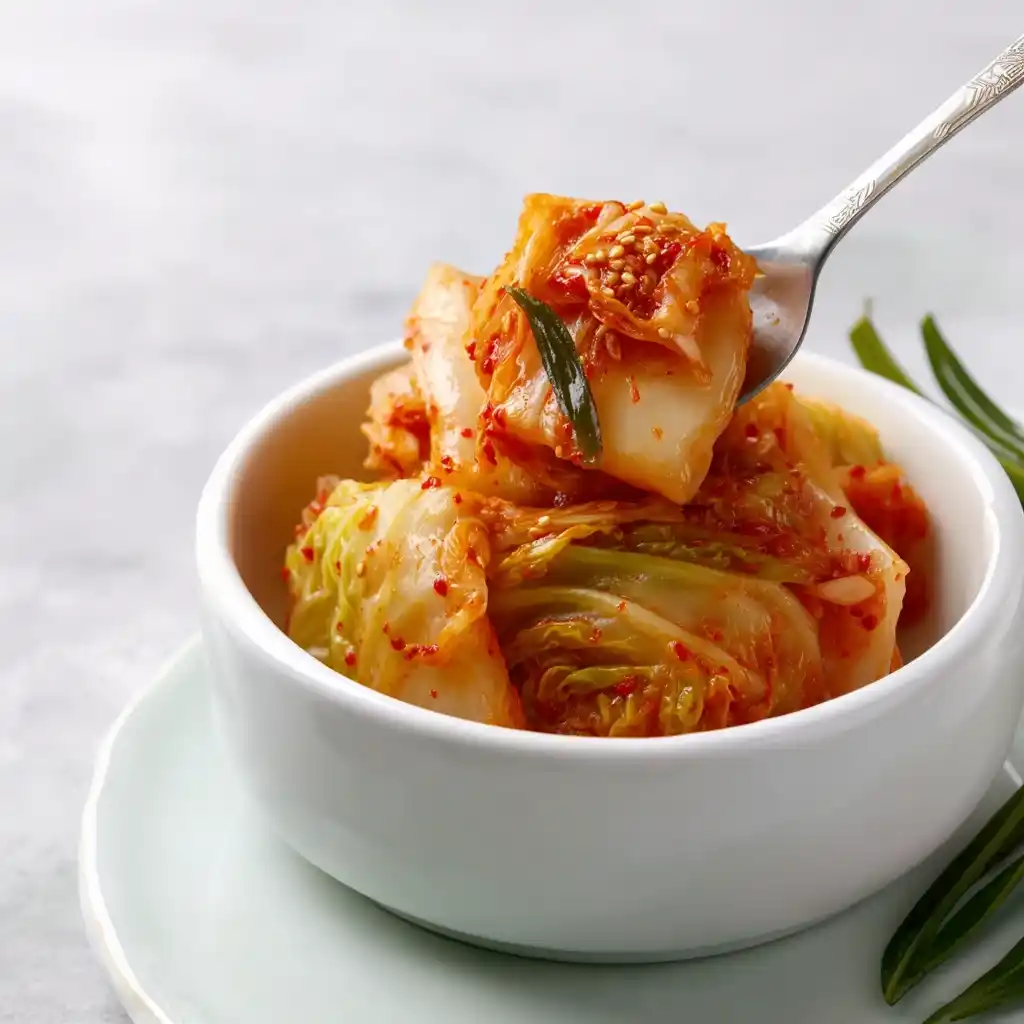
Fermented cabbage kimchi is far more than a spicy side dish. It’s a living food rooted in centuries of Korean tradition, packed with probiotics, bold flavor, and impressive health benefits.
The first time you make kimchi at home, it can feel intimidating. Fermentation sounds technical. The smell changes daily. Bubbles appear.
But here’s the truth: once you understand the process, fermented cabbage kimchi is surprisingly simple to make, and incredibly rewarding.
This guide will walk you through everything you need to know, from ingredients and fermentation, to storage, troubleshooting, and how to use kimchi in everyday meals.
Health Benefits of Fermented Cabbage Kimchi
One reason kimchi has gained global popularity is its impressive nutritional profile. Fermented cabbage kimchi is low in calories but rich in beneficial compounds.
Major health benefits include:
- Probiotics for gut health: Kimchi contains live lactic acid bacteria that support digestion and gut microbiome balance.
- Improved immune function: A healthy gut is closely linked to stronger immunity.
- Anti-inflammatory properties: Garlic, ginger, and chili peppers contribute antioxidants and anti-inflammatory compounds.
- Enhanced nutrient absorption: Fermentation increases the bioavailability of vitamins and minerals found in cabbage.
- Weight-friendly food: Kimchi is filling, flavorful, and low in calories, making it ideal for balanced diets.
Because kimchi is unpasteurized, homemade versions often contain higher probiotic levels than store-bought varieties.
Ingredients Needed for Traditional Cabbage Kimchi
Authentic fermented cabbage kimchi relies on a short list of powerful ingredients. Quality matters here, especially when it comes to fermentation.
Core ingredients include:
- Napa cabbage: The ideal cabbage for kimchi due to its tender leaves and natural sweetness.
- Non-iodized salt: Essential for drawing out moisture and preventing unwanted bacteria.
- Gochugaru (Korean red chili flakes): Provides heat, color, and depth of flavor.
- Garlic and ginger: Add pungency and antimicrobial properties that support fermentation.
- Green onions: Contribute freshness and mild onion flavor.
- Fish sauce or salted shrimp: Traditional sources of umami that feed fermentation bacteria.
For vegan kimchi, fish sauce can be replaced with soy sauce, miso, or kelp-based alternatives without sacrificing fermentation success.
How to Make Fermented Cabbage Kimchi at Home
Making fermented cabbage kimchi is a multi-step process, but each step is straightforward.
First, the cabbage is cut and salted. Salting draws out excess moisture, softens the leaves, and creates an environment where beneficial bacteria can thrive. After rinsing off excess salt, the cabbage is mixed with a seasoned paste made from chili flakes, garlic, ginger, and other aromatics.
Once coated evenly, the cabbage is packed tightly into jars or containers. Pressing it down removes air pockets and ensures the vegetables remain submerged in their own liquid, which is critical for safe fermentation.
Clean tools, clean hands, and clean containers are essential to avoid contamination.
Kimchi Fermentation Process Explained
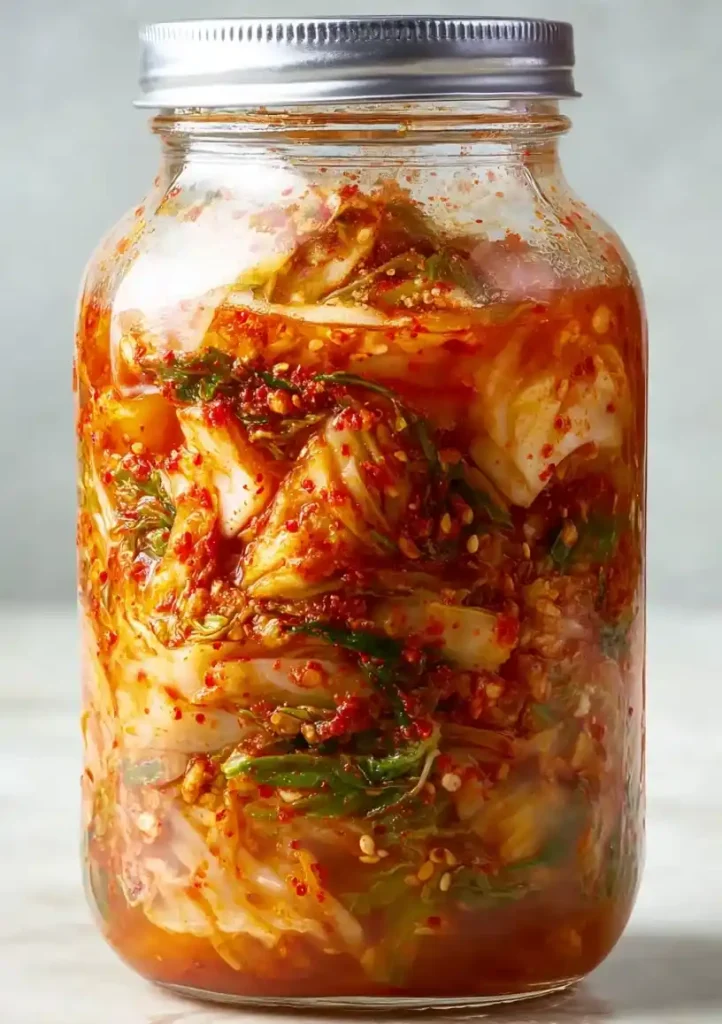
Fermentation begins as soon as the kimchi is sealed in a container. Naturally occurring lactic acid bacteria start consuming sugars in the cabbage, producing lactic acid and carbon dioxide.
During fermentation:
- Bubbles may appear, indicating active bacterial activity.
- The smell will shift from fresh and spicy to tangy and pungent.
- The flavor deepens as acidity increases.
This process preserves the kimchi while creating its distinctive taste. Fermentation is alive and ongoing, which is why kimchi continues to change over time.
How Long Does Cabbage Kimchi Take to Ferment?
Fermentation time depends on temperature and personal preference.
- At room temperature: Kimchi typically begins fermenting within 24 to 48 hours.
- In the refrigerator: Fermentation slows significantly, allowing flavors to develop gradually over weeks or months.
Many beginners prefer fermenting kimchi at room temperature for one to two days, then transferring it to the fridge. Younger kimchi tastes fresher and milder, while older kimchi becomes more sour and complex.
Storage Tips for Fermented Kimchi
Proper storage is essential for maintaining flavor and preventing spoilage.
Best practices include:
- Use airtight glass or fermentation-safe containers.
- Keep cabbage submerged in liquid to avoid mold.
- Store kimchi in the refrigerator once it reaches your preferred fermentation level.
- Expect kimchi to last several months, sometimes longer, when refrigerated.
If white yeast-like film appears on the surface, it can usually be skimmed off. Fuzzy or colored mold, however, means the kimchi should be discarded.
Common Mistakes When Making Fermented Kimchi
Many kimchi issues stem from small errors early in the process.
Common mistakes include:
- Using iodized salt, which can interfere with fermentation
- Under-salting or over-salting the cabbage
- Fermenting at excessively high temperatures
- Allowing vegetables to rise above the liquid
- Using contaminated utensils or containers
If kimchi becomes too sour, it’s not ruined. Sour kimchi is perfect for cooking.
Vegan and Gluten-Free Fermented Kimchi Options
Fermented cabbage kimchi is easy to adapt for dietary needs.
Vegan versions replace fish sauce with plant-based umami sources like miso, soy sauce, or seaweed stock. Gluten-free kimchi requires checking that chili flakes, sauces, and seasonings are certified gluten-free.
Flavor remains bold and complex, and fermentation works just as effectively with these substitutions.
How to Use Fermented Cabbage Kimchi in Recipes
Kimchi is incredibly versatile. Fresh kimchi is best eaten raw for maximum probiotic benefit, while older kimchi shines in cooked dishes.
Popular uses include:
- Kimchi fried rice
- Kimchi stew (kimchi jjigae)
- Kimchi pancakes
- Dumplings and savory pastries
- Grain bowls, wraps, and sandwiches
Cooking kimchi reduces probiotic content but intensifies flavor, making it ideal for hearty meals.
Recipe FAQ’s
How do I know when kimchi is fermented?
Kimchi is fermented when it smells tangy, tastes slightly sour, and may show small bubbles. This usually happens within 1–2 days at room temperature.
Can I eat kimchi right away?
Yes, but it will taste fresh and less sour. Traditional fermented flavor develops after fermentation.
What if my kimchi smells strong?
A strong smell is normal during fermentation. If you see fuzzy mold or unusual colors, discard it.
Korean Fermented Cabbage Kimchi
Ingredients
- 1 medium napa cabbage about 2-2.5 pounds
- ¼ cup non-iodized sea salt
- 4 cups water for soaking, as needed
- ¼ cup Korean gochugaru red chili flakes
- 5 cloves garlic minced
- 1 tablespoon fresh ginger grated
- 3 tablespoons fish sauce or soy sauce for vegan
- 1 teaspoon sugar optional, helps fermentation
- 4 green onions sliced
- ½ cup daikon radish julienned (optional)
Instructions
Prepare the cabbage
- Cut the napa cabbage lengthwise into quarters, then into bite-sized pieces. Place in a large bowl.
Salt the cabbage
- Sprinkle the salt evenly over the cabbage. Massage gently, then add enough water to barely cover. Let sit for 1–2 hours, turning every 30 minutes, until softened.
Rinse and drain
- Rinse the cabbage thoroughly 2–3 times to remove excess salt. Drain well and gently squeeze out excess water.
Make the kimchi paste
- In a separate bowl, mix gochugaru, garlic, ginger, fish sauce (or substitute), sugar, and a few tablespoons of water until a thick paste forms.
Combine vegetables and paste
- Add green onions and radish to the paste. Add the drained cabbage and mix thoroughly by hand until evenly coated.
Pack the kimchi
- Tightly pack the kimchi into a clean glass jar or fermentation container, pressing down to remove air bubbles and ensure the cabbage is submerged in liquid.
Ferment
- Leave the jar at room temperature for 24–48 hours. Open daily to release built-up gas and press the kimchi down if needed.
Refrigerate
- Once fermented to your liking, transfer the kimchi to the refrigerator to slow fermentation.
